

Mapping the transcriptomic cosmos of inflammatory bowel disease
Single-cell analysis of IBD tissues at a population scale
We generated the largest single-cell datasets of inflammatory bowel disease relevant samples, spanning millions of cells across the ileum, blood and rectum, from hundreds of individuals with and without inflammatory bowel disease. We were able to perform well-powered analyses comparing the effects of disease, location and genetics on cellular expression.
-
sc-eQTLs to unlock GWAS
Identification of eQTLs within single-cell resolved cell types from ileum, rectum and blood. Integrating these eQTLs with existing disease risk GWAS offers insight into the genes and cell types causally driving inflammatory bowel disease.
Alegbe, Harris et al. Nature 2026
-
Transcriptomic consequences of ileal inflammation
Comprehensive profiling of terminal ileum cell types, highlighting cell types present in the termninal ileum, key differences between inflamed and uninflamed bowels and which cell types are enriched for dysruptive genetic variants.
Krzak, Alegbe, Taylor, Jones et al. Nature Genetics 2026
-
Blood and gut immune comparison
Identification and quantification of the differences in immune cells between blood and gut samples from individuals with Crohn's disease. Several populations and processes are seen to be enriched in either tissue and blood.
Ramirez-Navarro et al. medrxiv 2025
-
A novel protocol for digesting gut biopsies
This protocol was developed for scRNAseq of intestinal biopsies. For our study, we needed to preserve all cell types and minimise changes to gene expression, while keeping all cells healthy in order to detect small genotype-associated changes in gene expression (expression quantitative trait loci).
-
Future studies
Building on the foundations that this work has laid down we intend to take further steps to use single-cell RNA-sequencing approaches to better understand IBD biology. These include:
For patients, friends and family
Get straightforward answers about our datasets, publications, and findings. Designed for those who have or know someone who has an inflammatory bowel disease such as Crohn's disease or ulcerative colitis.
What do these datasets mean for me?
Our datasets are available for researchers to download and use enabling others to perform research that can help find answers about inflammatory bowel diseases
What did you discover?
We have released three manuscripts detailing our findings for the wider scientific and medical community to read. These manuscripts are not written with the public in mind and can contain highly technical terminology so we have also written a short summary of these findings which can be found here:
Can I access my data?
All patient information is confidential so before sharing any data, we carefully removed any information that could identify individual participants.
However we want to make sure that the information collected and generated as part of this project can be used by other researchers to increase our understanding of inflammatory bowel disease and improve the treatment of people living with it. To support this goal, we have made these data available for others to use. Some data will be freely available to download directly from this website. More detailed datasets, including the clinical information gathered during this project, will be require review by a data access committee to ensure that the data are used responsibly.
Who paid for this project?
The project was funded by:
- Crohn's and Colitis Foundation, a charity dedicated to supporting people with and funding research into inflammatory bowel diseases.
- The Wellcome Trust, a charity which supports many forms of biomedical research primarily in the UK and provides core funding for the Wellcome Sanger Institute.
- Open Targets, a collaboration between academia and pharmaceutical partners seeking to develop new treatments for inflammatory bowel diseases.
Can I ask a member of the team about this work?
Yes. A contact email address for the authors of these studies is provided at the bottom of this page. Please note that these questions should only be related to this work rather than IBD in general.
How can I get help with my IBD?
We are primarily research scientists and cannot offer medical advice into the treatment of IBD. You should contact your doctor if you have issues with your disease.
Explore the IBDverse
Here we present the IBDverse data from each of our three papers in both an interactive and downloadable format, allowing IBD researchers the opportunity to conduct their own focused analyses.
-
eQTL mapping across IBD-relevant tissues
Joint single-cell eQTL analysis across terminal ileum, rectum, and blood in over 732 samples from 421 individuals.
Explore dataCellxGene browser (atlas anndata)
eQTL visualiserAuthorsResearch led by Tobi Alegbe and Bradley Harris with contributions from a multidisciplinary team under the direction of senior investigators Carl Anderson and Tim Raine.
-
Terminal ileum single-cell analyses in health and disease
Single-cell RNA-sequencing data and results from 111 CD patients and 232 healthy controls.
Download resultsDGE: CD [inflamed] vs healthy
DGE: CD [uninflamed] vs healthy
DGE: CD [inflammation severity]
DGE: Age
DGE: Sex
DGE: Organoid [stim.] vs organoid [unstim.]
DGE: Organoid [CD unstim.] vs organoid [healthy unstim.]Explore dataCellxGene browser (atlas anndata) [available upon publication]
Download dataAnalysis anndata (343 samples)
Atlas anndata (70 samples, coming soon)
Organoid anndata (14 samples)
Individual metadata (343 individuals)
Sample metadata (343 samples)
Patient metadata (343 individuals, restricted access)AuthorsResearch led by Monika Krzak, Tobi Alegbe, Leland Taylor and Gareth-Rhys Jones with contributions from a multidisciplinary team under the direction of senior investigators Carl Anderson and Tim Raine.
-
Paired immune cell profiling between the intestine and blood
Comparison of immune cell populations between blood and terminal ileum from the 125 individuals with Crohn's disease.
Download resultsDGE: Blood vs TI [available upon publication]
DGE: Inflammation [available upon publication]Explore dataCellxGene browser (atlas anndata) [available upon publication]
Download dataAtlas anndata [available upon publication]
Analysis anndata [available upon publication]
Individual metadata [available upon publication]AuthorsResearch led by Lucia Ramirez-Navarro with contributions from a multidisciplinary team under the direction of senior investigators Tim Raine and Carl Anderson.
Team


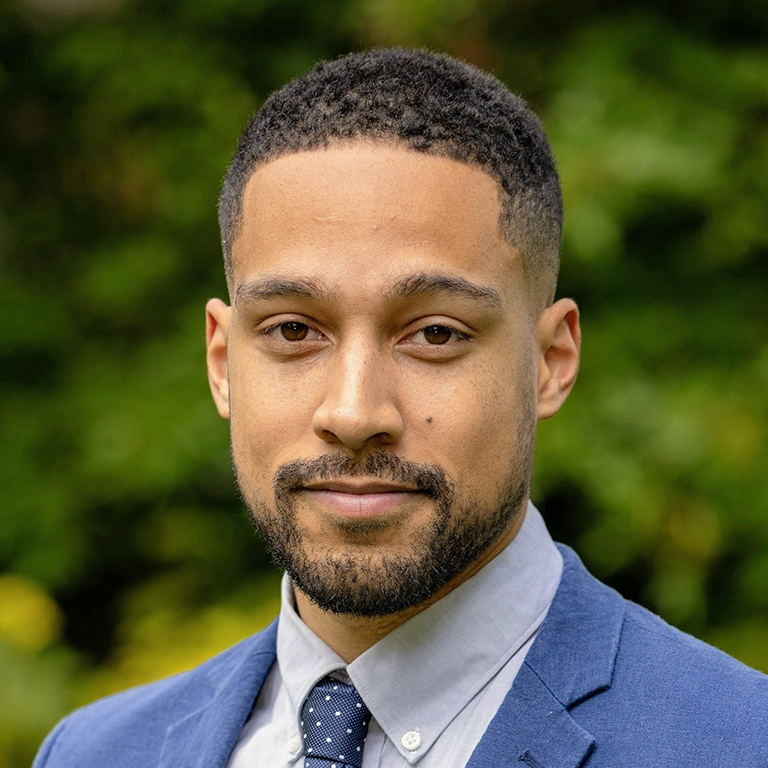
Clinical team
Our clinical team in the department of gastroenterology at Addenbrooke's hospital collected pinch biopsies during routine endoscopic procedures and sent them via courier for sequencing at the Wellcome Sanger Institute.
It consisted of Claire Dawson, Tina Thompson, Kenneth Arestang, Wendy Garri, Biljana Brezina, Charry Queen Caballes, Nilanga Nishad and Miles Parkes.
Laboratory team
Our laboratory team within the Anderson Lab at the Wellcome Sanger Institute developed a novel protocol for the isolating high quality cells from gastrointestinal biopsies with minimal stress (M. Ghouraba, R.E. McIntyre 2026, protocols.io 10.17504/protocols.io.e6nvwwwrdvmk/v1). They applied this protocol to over 600 IBDverse biopsies (together with processing over 100 blood samples) in order to curate the high quality single-cell datasets.
Under the leadership of Rebecca McIntyre and Cristina Cotobal Martin, it consisted of Mennatallah Ghouraba, Michelle Strickland, Noor Wana, May Xueqi Hu, Jason Skelton, Tong Deng, Jasmin Ostermayer and Kimberly Ai Xian Cheam.
Computational team
Once the data was generated, many individuals in the Anderson group at the Wellcome Sanger Institute performed quality control and data analysis to produce the processed datasets and arrive at the conclusions presented in our manuscripts.
It consisted of Monika Krzak, Tobi Alegbe, Leland Taylor, Lucia Ramirez-Navarro, Bradley Harris, Moritz Przybilla, Marcus Tutert, Ciro Ramirez Suastegui, Hanna Najgebauer, Saniya Khoullar and Eleonora Khabirova.
Other affiliated scientists
Outside of the above working teams we were fortunate enough to seek the expertise of many individuals, both internal and external, who were crucial to our research effort. This included Laura Fachal, Velislava Petrova, Carla Jones Bell, Nikolaos Panousis, Matiss Ozols, Guillaume Noell, Steven Leonard, Reem Satti, Daniele Corridoni, Vivek Iyer, David Ochoa and Chris Wallace.